In September 2020, Elon Musk stood on a stage at Battery Day and promised that Tesla’s new 4680 cell would change the economics of the electric car forever: five times the energy per cell, six times the power, a 16 percent range gain at the pack level, and eventually a $25,000 car built around it. Five years later, the data tells a very different story, and it is now playing out in the driveways of European Tesla owners who never asked for it.
Tesla’s own 4680 cells, produced at Giga Austin, carry a nominal energy density of 244 Wh/kg. The Panasonic 2170 cells they were designed to replace sit at 269 Wh/kg — 13 percent higher, not lower. The centerpiece of the original pitch, a “dry battery electrode” manufacturing process acquired from Maxwell Technologies, was supposed to simplify production dramatically. At Tesla’s 2025 shareholder meeting, Musk himself conceded the process turned out to be “way harder” than expected.
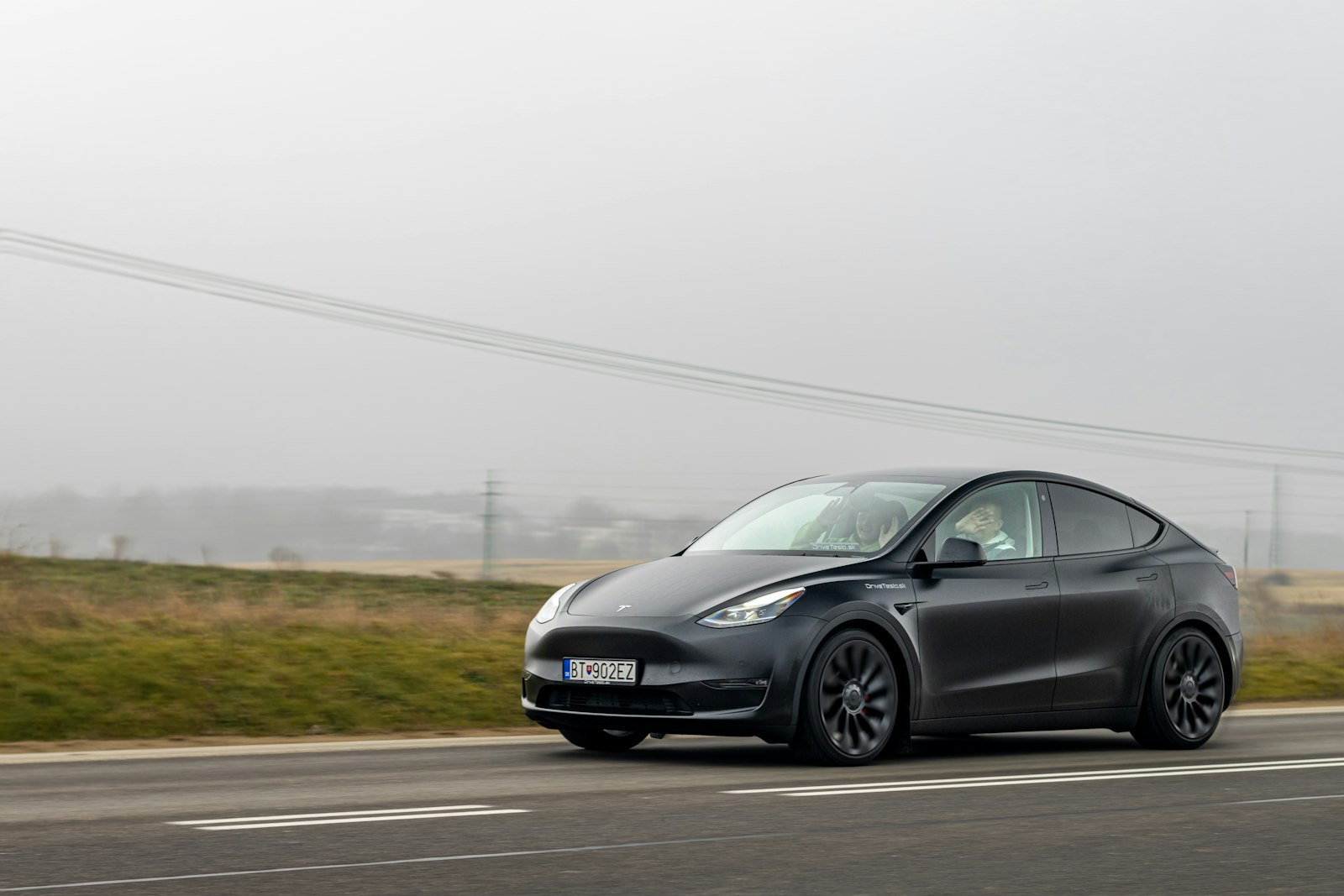
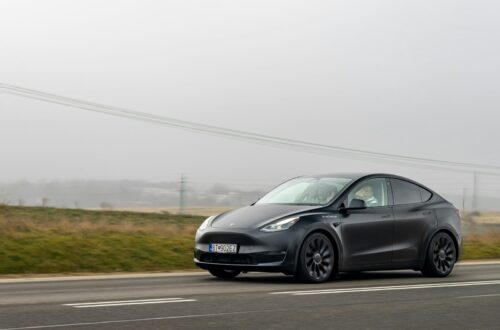
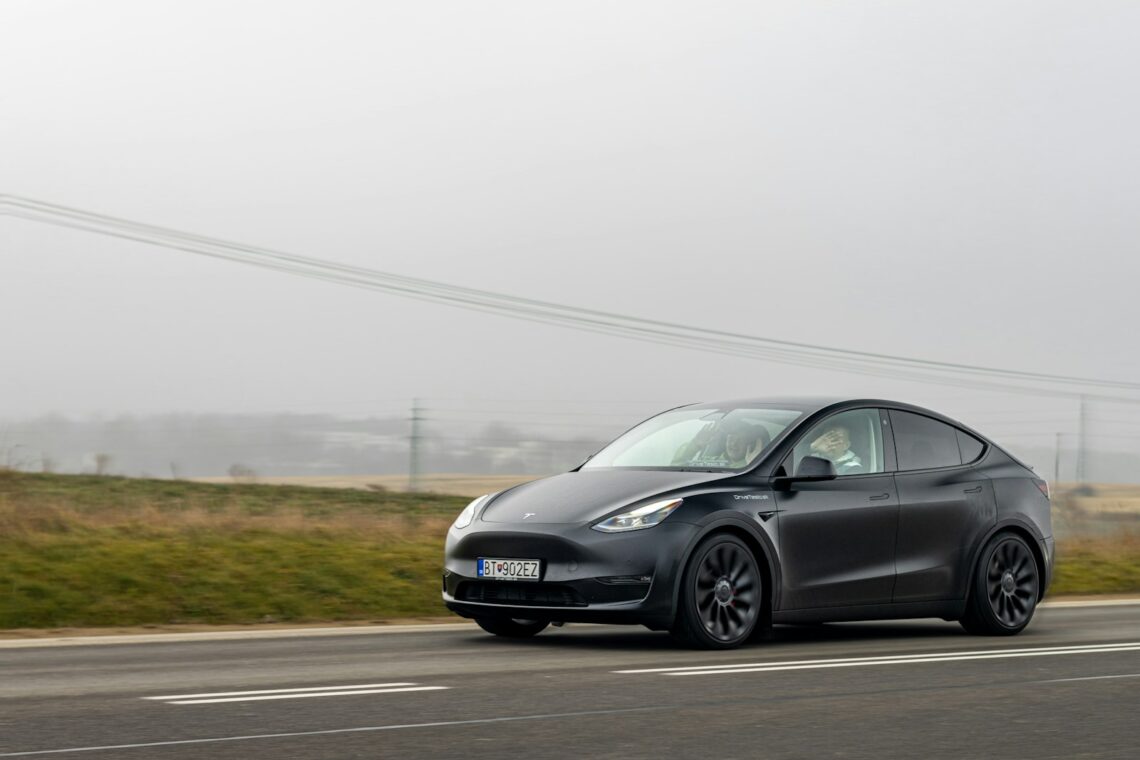
Photo: Michal Lauko / Unsplash (free license)
That gap between promise and performance recently became visible to ordinary buyers. Tesla quietly began swapping the supplier-made LG 5M battery pack for its own 4680-based “8L” pack in the European Model Y Premium Long Range RWD, without clearly flagging the change to customers who had already placed orders. The LG pack held 82 to 84 kWh; the 8L pack holds roughly 79 kWh gross, 74 kWh usable. The result is a WLTP range drop from 661 km to 609 km — a 52 km, 8 percent cut on the same car, with the same motors and the same aerodynamics.
Charging performance tells an even less flattering story. Reviewers testing the new European 8L pack found charging power already falling from 155 kW by the time the battery reached just 31 percent state of charge, and ranked it the worst charging curve currently available in the Model Y lineup — worse even than the LG pack it replaced. At Battery Day, Musk had promised the tabless 4680 design would charge “almost as fast” as smaller cells. Independent 15-minute fast-charging tests instead found the 4680 pack added less energy than Tesla’s cheaper LFP pack in the same window.
The weight savings that were supposed to justify the redesign also failed to fully materialize. Munro’s teardown of the 4680 Model Y found only about 20 pounds of difference compared with the 2170-equipped version, far short of the dramatic reduction Tesla had promised from a lighter, simpler structural pack.
Perhaps the clearest signal of how the 4680 program is actually performing comes from Tesla’s supply chain. South Korean cathode material supplier L&F disclosed that its $2.9 billion contract with Tesla for 4680 cell materials has been written down to just $7,386 — a 99.9 percent reduction. The explanation traces back to Cybertruck, the vehicle the 4680 cell was largely built for, which is selling at a run rate of roughly 20,000 to 25,000 units a year against a factory capacity built for 250,000.
None of this has been lost on European buyers. Because Tesla does not disclose which battery pack a given configuration will actually receive, and does not list it on the online configurator, customers who ordered a car rated for 661 km of range have in some cases received one rated for 609 km instead. EV owner communities in France and Norway have reported a wave of order cancellations, with buyers describing the swap as a downgrade they never agreed to.
Facing all of this, Tesla’s response has not been to retreat from the 4680 program — it has been to double down, and to do so by opening its factory floor to outsiders. The company has committed an additional $250 million to more than double 4680 cell capacity at Gigafactory Berlin-Brandenburg, from 8 GWh to 18 GWh, pushing cumulative investment in the site’s cell operation toward roughly €1 billion. Alongside that expansion, Tesla launched the JUNI x Tesla Battery Cell Giga Challenge, a startup program that gives outside companies direct, hands-on access to the live battery cell production line in Grünheide — something Tesla has almost never granted before.
The program, which took applications through late July and begins in August, is structured in five stages: an online application, screening against real manufacturing requirements, a technical interview, a pitch day in front of Tesla’s own cell-production leadership, and finally a paid pilot project for the strongest teams. Tesla says it is specifically looking for startups working on materials science, production processes, automation, facility optimization, and AI applications relevant to battery manufacturing.
The move amounts to an unusual admission from a company that has spent a decade building its reputation on vertically integrated, in-house manufacturing: after five years and untold engineering hours, Tesla’s internal teams have not been able to make the 4680 cell live up to its 2020 promises, so the company is now inviting outside problem-solvers onto its own production line to try. Whether a handful of startups can succeed where Tesla’s own battery division has struggled is an open question — but for European customers currently weighing whether to accept a car with less range and slower charging than the one they ordered, the answer will matter well before Giga Berlin’s expansion is finished.
Sources: Electrek (May 7, 2026; July 7, 2026), Tech Times (July 9, 2026), Battery-Tech Network, Not a Tesla App, Teslarati.