Mindfulness, gratitude journaling and optimism training are usually filed under mental health. A new review argues they also belong in a cardiology conversation, because across 18 randomized trials they moved blood pressure, inflammation markers and blood vessel function.[1]
The review was led by Rosalba Hernandez, a professor of social work at the University of Illinois Urbana-Champaign, and published in Cardiology Clinics. Its most useful contribution may be less about whether these programs work than about how much practice it takes.[2]
What the 18 Trials Actually Tested
The programs varied widely. Some used structured phone sessions, some paired journaling with brief check-ins, others ran through apps and text messages, and several used in-person group meetings or hybrid formats combining both.[1]
Most included weekly sessions plus activities participants completed at home, and the majority lasted between six and twelve weeks. Trials typically enrolled 50 to 200 adults who already had elevated cardiovascular risk.[1]
Participants were usually in their late fifties to mid-sixties, with conditions such as uncontrolled hypertension or heart failure. Among studies reporting gender, women made up 35 to 55 percent of participants.[1]
The Numbers That Moved
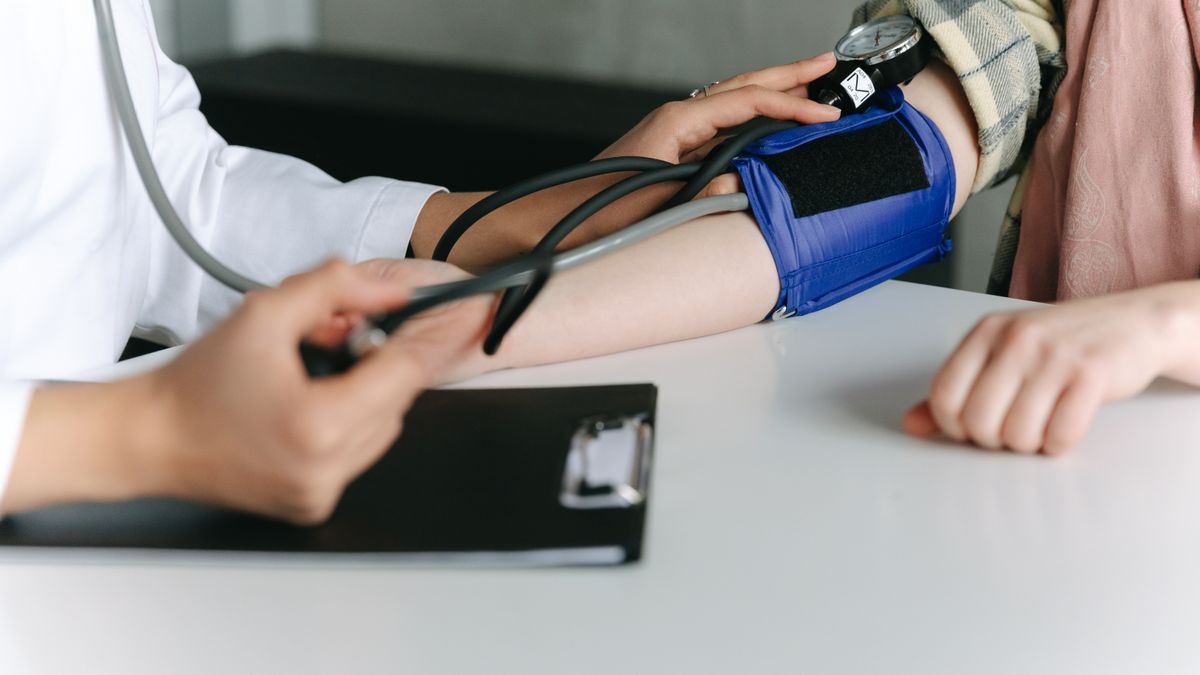
In hypertension and post-acute coronary syndrome groups, mindfulness programs delivered over eight weeks reduced systolic blood pressure and lowered inflammatory markers including high-sensitivity C-reactive protein and fibrinogen.[1]
One of the largest effects came from a twelve-week spirituality-based digital program, which cut cuff-measured systolic pressure by 7.6 points and central systolic pressure, measured in the aorta, by 4.1 points.[1]
A separate program built around motivational interviewing raised cardiac patients daily activity by about 1,800 steps and improved medication adherence, a behavioral change the mindfulness programs did not reproduce.[1]
Finding the Therapeutic Dose
Earlier work on positive psychology rarely specified how often people had to practice, or for how long, to gain a physical benefit. Hernandez and colleagues set out to identify the participation level most consistently linked to improvement.[1]
Their answer was daily practice reinforced by weekly sessions over an eight to twelve week period. Programs with more frequent contact between participants and staff produced the more reliable physiological effects.[1]
The strongest behavioral shift came from an eight-week program run over WhatsApp that paired weekly sessions with daily microtasks nudging people to move more, eat better and take their medication as prescribed.[1]
How to Read This Sensibly
Some of the cardiovascular benefit appeared to run through healthier behavior rather than through calm itself. If people eat better and walk more because of the program, the gains depend on the behavior continuing.[1]
The authors therefore expect that ongoing, lower-intensity contact is needed to sustain change once the intensive phase ends. This is a review of heterogeneous trials, not a single large trial, and none of it replaces prescribed treatment for hypertension.[2]
| Aspect | Finding |
|---|---|
| Study type | Review of 18 randomized controlled trials of positive psychology and mindfulness programs |
| Lead author | Rosalba Hernandez, University of Illinois Urbana-Champaign |
| Typical participants | 50 to 200 adults per trial, late 50s to mid-60s, elevated cardiovascular risk |
| Program length | Mostly 6 to 12 weeks, weekly sessions plus home practice |
| Blood pressure | Up to 7.6 mmHg drop in cuff systolic pressure in a 12-week digital program |
| Inflammation | Reductions in high-sensitivity C-reactive protein and fibrinogen |
| Behavior | Motivational interviewing program added about 1,800 steps per day |
| Effective dose | Daily practice reinforced by weekly sessions across 8 to 12 weeks |
| Main caveat | Benefits partly mediated by behavior change, so they require reinforcement |
References
- University of Illinois Urbana-Champaign, news release written by Sharita Forrest, September 1, 2026.
- Hernandez R, Kwon S, Vela AM, Edwards KS. Positive Psychology Interventions and Cardiovascular Health. Cardiology Clinics, 2026; 44(2): 233. DOI: 10.1016/j.ccl.2025.12.001
- ScienceDaily, Mindfulness may lower blood pressure in just 8 weeks, September 1, 2026.