English translation of the original Korean article: 근감소증 노인, 운동했더니 근력·보행·균형이 함께 좋아졌다
Sarcopenia — the gradual loss of muscle mass and strength with age — is one of the most significant health problems facing older adults, undermining physical function and quality of life. A research team at Prince Sattam bin Abdulaziz University in Saudi Arabia pooled 12 randomized controlled trials covering 652 older adults with sarcopenia and found that exercise programs including resistance training significantly improved hand and leg strength, walking speed, and balance. [1]
Why It Matters
Sarcopenia is more than just ‘getting weaker’ — it’s a serious form of aging that can lead to falls, fractures, and ultimately the loss of independent daily living. In South Korea, surveys suggest roughly one in four people 80 and older has sarcopenia, making it strikingly common. Even so, the belief that ‘strength naturally fades with age’ has often pushed active exercise prescriptions to the back burner. This meta-analysis matters because it confirms, with large-scale data, just how effective exercise really is for older adults with sarcopenia.
What the Study Found
The team searched multiple international databases from 2010 through July 2025 and pooled 12 randomized controlled trials evaluating resistance, aerobic, and balance training in adults with sarcopenia (652 participants, mean age 74.1, 82.7% women). Compared with control groups, the exercise groups showed significantly greater improvement in hand grip strength, with an even larger improvement in knee extensor strength. Walking speed also increased, and Timed Up and Go (TUG) test times — a combined measure of mobility and balance — decreased, indicating simultaneous gains in balance and mobility.
Practical Guidance — What Kind of Exercise, and How
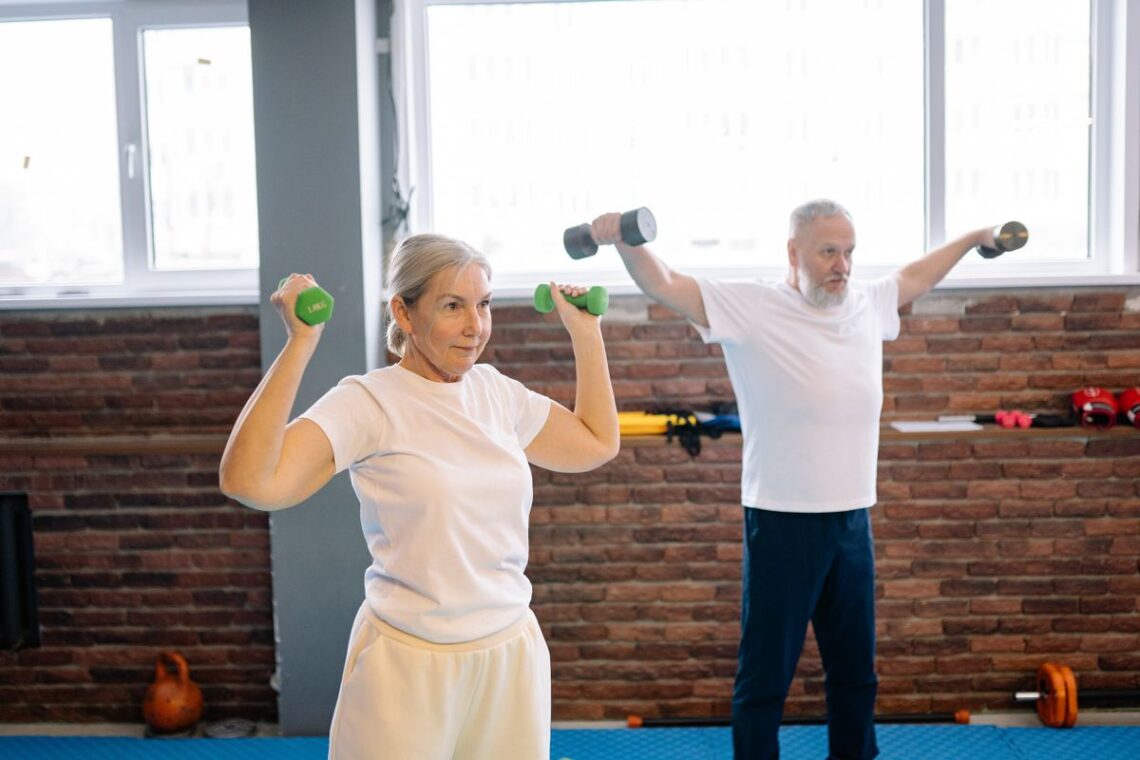
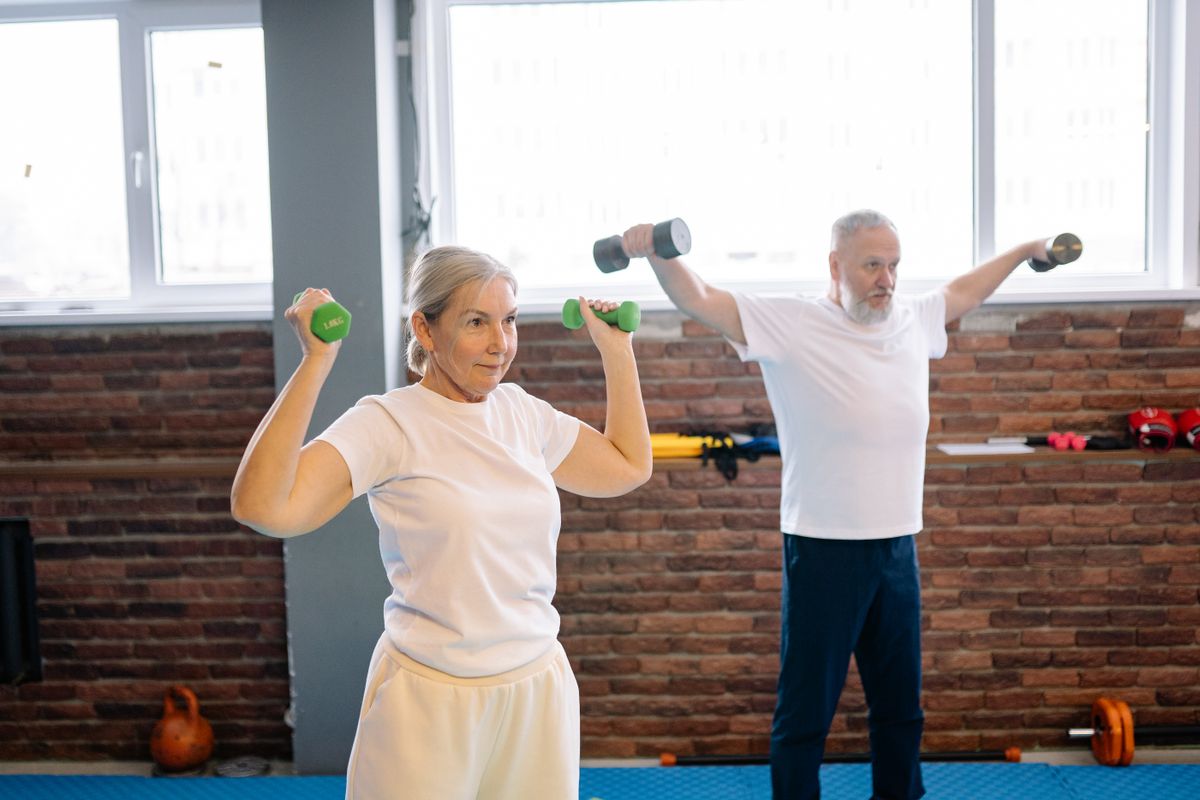
Many of the programs in the study used resistance training alone, or combined it with aerobic and balance exercise. Resistance training loads the muscles directly to stimulate muscle fibers, aerobic exercise builds cardiorespiratory endurance, and balance training complements postural control. Because combining all three improved not just strength but walking speed and fall resistance across the board, experts consider a balanced mix of resistance, aerobic, and balance training a more effective strategy for managing sarcopenia than relying on any single type of exercise.
| Outcome Measure | Improvement (Standardized Mean Difference, SMD) |
|---|---|
| Hand grip strength | 0.39 |
| Knee extensor strength | 0.62 |
| Walking speed | 0.66 |
| Balance/mobility (TUG, time reduction) | 0.73 |
Limitations and Open Questions
However, this meta-analysis found no statistically significant difference between exercise and control groups on everyday functional performance or quality-of-life measures. While ‘measurable physical capacity’ — strength, gait, balance — clearly improved, translating that into better day-to-day satisfaction or quality of life appears to require more time and further research. The researchers themselves emphasized the need for longer-term follow-up studies.
Outlook and Impact on Daily Life
Because improvements in strength, walking speed, and balance translate directly into a lower risk of falls, these findings carry real practical weight for frailty prevention. No elaborate gym program is required — consistently practicing chair sit-to-stands at home, light dumbbell resistance exercises, or single-leg balance holds can meaningfully help prevent and manage sarcopenia. This study offers a good prompt to check in on the exercise habits of the older generation in your own family.
References
- Alsubaie SF et al., “Effect of resistance, balance, and aerobic training on strength, mobility, balance, and quality of life in older adults with sarcopenia: a systematic review and meta-analysis,” BMC Geriatrics (2026). DOI: 10.1186/s12877-026-08020-6