English translation of the original Korean article: 온열질환 사망자 10명 중 6명은 80세 이상 — 폭염, 왜 고령층에 더 치명적인가
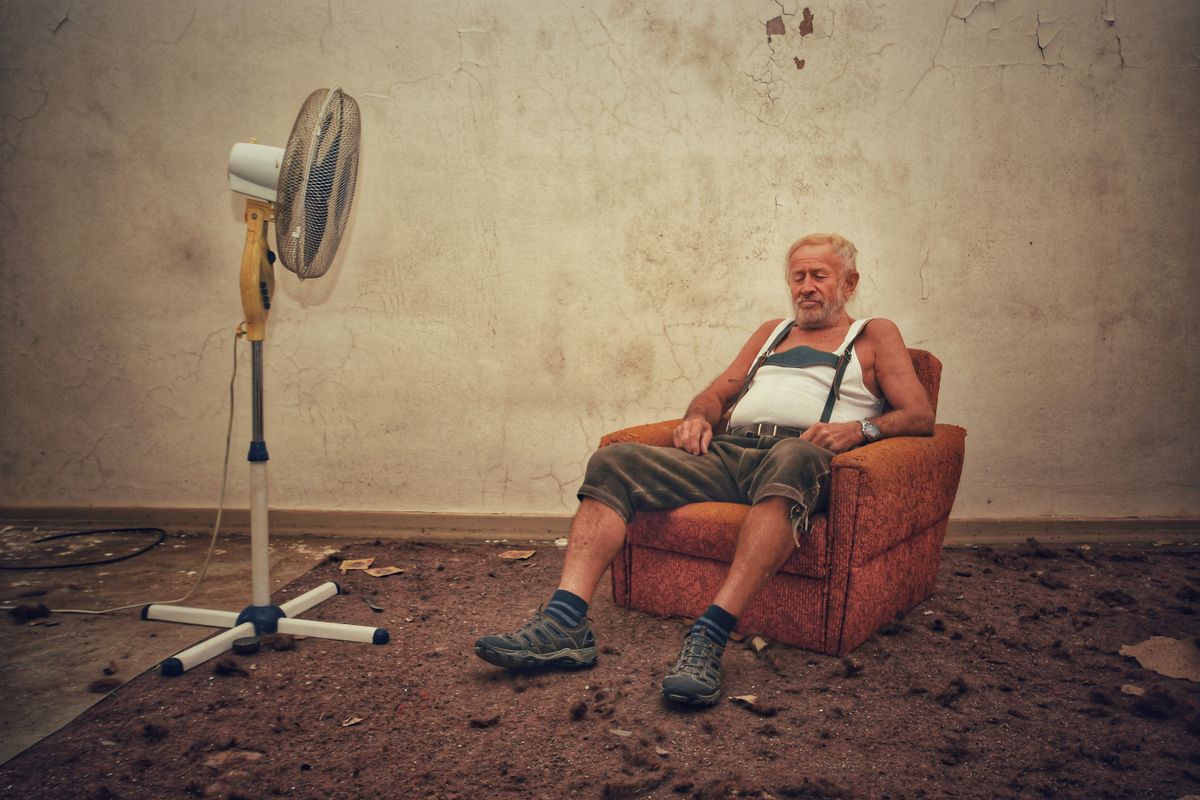
As this summer’s heat wave continues, roughly six in ten people estimated to have died from heat-related illness were 80 or older, South Korea’s Korea Disease Control and Prevention Agency (KDCA) and Ministry of Health and Welfare reported. Their analysis of the heat-illness emergency room surveillance system reconfirmed that older adults are far more vulnerable to extreme heat. [1]
Why It Matters
South Korea is on the verge of becoming a super-aged society, and both the number and intensity of heat wave days keep rising each year. Where these two trends intersect, extreme heat is shifting from mere discomfort into a ‘health disaster’ concentrated in specific age groups. The government’s overhaul of the heat-warning system on June 1, 2026 — its first in 18 years, adding a new top tier called ‘extreme heat wave alert’ — reflects this growing sense of urgency.
What the Data Show
Between May 15 and August 4, 2026, a total of 2,441 heat-illness cases were reported to the KDCA. Of these, 825 (33.8%) involved people 65 and older, and 300 (12.3%) involved people 80 and older. Per 100,000 population, the reporting rate was highest among those 80 and older at 12.5, followed by 7.4 for people in their 70s and 5.8 for those in their 60s. More troubling still: of the 21 estimated deaths during the same period, 13 (62%) were people 80 or older.
Why Older Adults Are More Vulnerable
With age, both the body’s ability to cool itself through sweating and its sense of thirst grow duller. Many older adults don’t feel thirsty until they’re already overheated and dehydrated, making it harder to notice the danger on their own. Chronic conditions like hypertension and diabetes — and some of the medications used to manage them — can also interfere with temperature regulation and fluid balance, further raising the risk of heat illness. KDCA’s analysis found that at the ‘extreme heat wave alert’ level (a heat index of 38°C), overall mortality risk rises 1.16-fold, and cardiovascular mortality risk rises 1.14-fold.
| Age Group | Heat-Illness Reports per 100,000 Population |
|---|---|
| 80 and older | 12.5 |
| 70s | 7.4 |
| 60s | 5.8 |
Limitations and Practical Guidance
These statistics only capture cases reported through emergency rooms, so people who never made it to a hospital or were recorded under a different diagnosis may not be included — meaning the true toll could be higher. The government has stepped up home-visit health programs for older adults living alone; as of August 4, 72.7% of the 176,514 home visits conducted by visiting nurses involved checking cooling conditions and heat-illness prevention education. At home, it helps to drink water before feeling thirsty, avoid going out during the hottest hours of the day, and regularly check indoor temperature.
Outlook and Impact on Daily Life
Heat waves are likely to arrive more often and more intensely each year going forward. What feels like merely uncomfortable weather to a young, healthy person can be life-threatening for an elderly family member or neighbor — worth keeping in mind. A quick check-in call to a parent living alone, or asking whether an older neighbor’s air conditioning is working, is a small act of attention that can translate into real prevention the statistics don’t capture.
References
- Korea Disease Control and Prevention Agency & Ministry of Health and Welfare, joint press release, “6 in 10 Heat-Illness Deaths Are Super-Elderly — Focused Protection for Those 80 and Older” (Aug. 6, 2026)