English translation of the original Korean article: GLP-1 비만약, 주사를 넘어선다 — 임플란트부터 노화 지연까지
From Injections to Implants
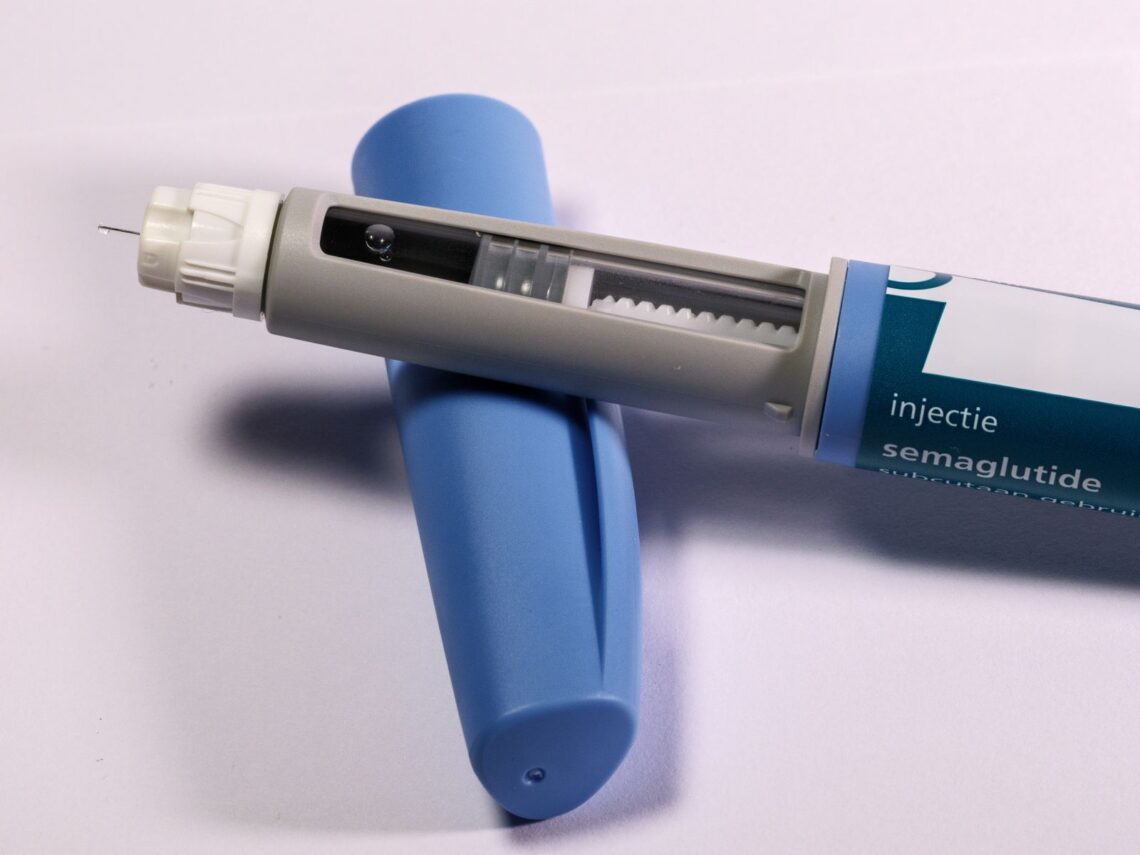
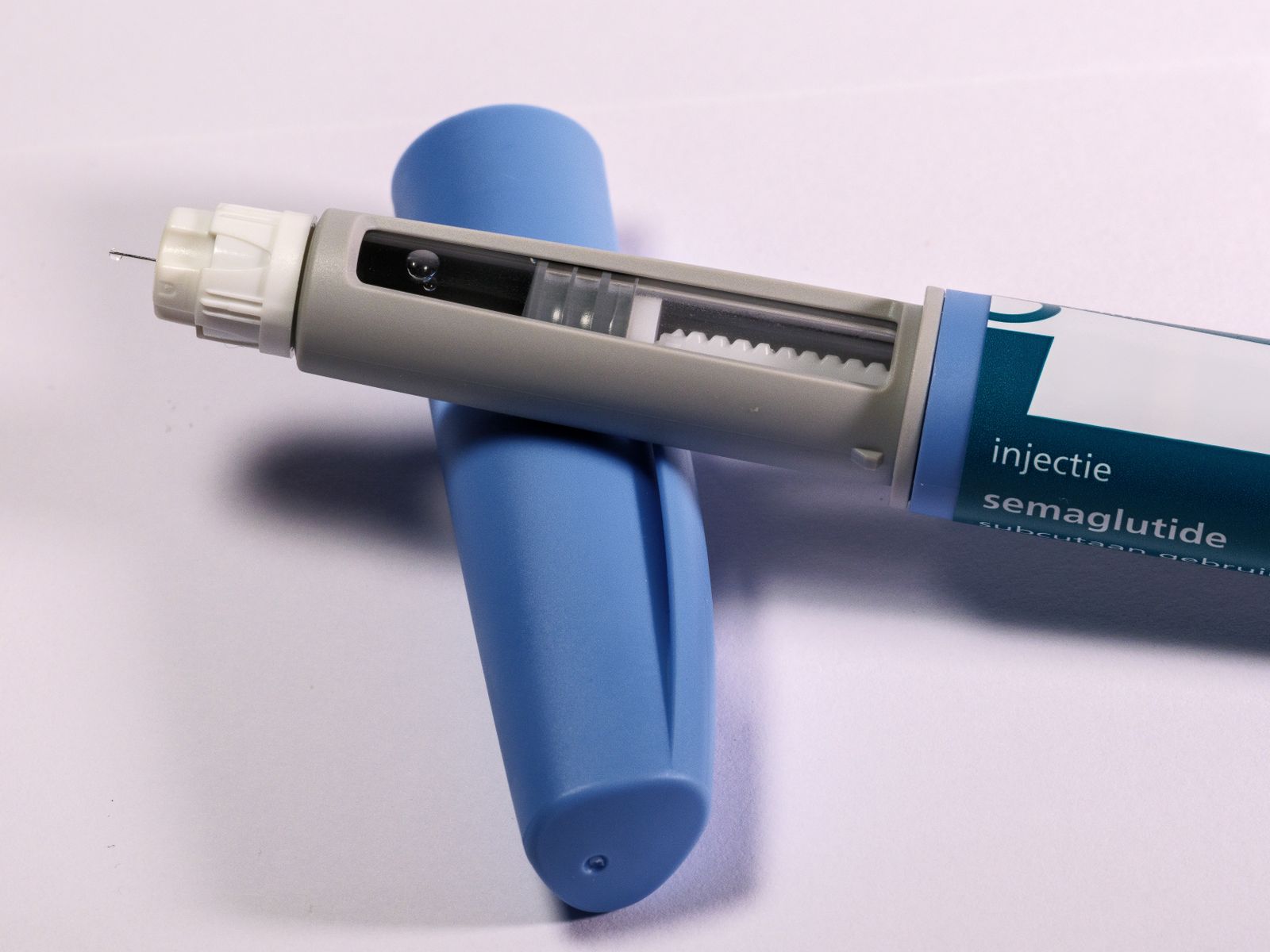
U.S. biotech company Vivani Medical announced that every participant in the Phase 1 SLIM-1 trial of its miniature implant NPM-139 has completed dosing. The implant is placed under the skin and slowly releases medication over six months to a year. Even when semaglutide-class drugs work well, the burden of self-injecting every week hurts adherence — and several studies have already shown that lower adherence means less weight loss. The Australian trial enrolled 20 overweight or obese adults who had never used a GLP-1 drug, splitting them into an implant group and a Wegovy-injection control group. A single implant, only slightly larger than a grain of rice, is designed to release the drug at a steady rate for more than half a year.
An Unexpected Effect — Could Obesity Drugs Slow Aging?
A team at the University of California, San Diego (UCSD) ran a 32-week randomized, double-blind, placebo-controlled trial in 84 adults with HIV-associated lipohypertrophy — a condition in which fat builds up abnormally around the torso after HIV infection — and found that semaglutide slowed the pace of biological aging. The result went beyond improving weight and metabolic markers to affect biomarkers of aging itself, making it the first randomized controlled trial to suggest that GLP-1 drugs’ reach could extend well past obesity and diabetes.
Retatrutide, the Triple-Agonist Contender — Obesity’s Next-Generation Drug
Competition among obesity drugs is already moving to the next generation. Eli Lilly’s retatrutide, still in development, differs from existing drugs that act on GLP-1 (glucagon-like peptide-1) alone or on both GLP-1 and GIP (gastric inhibitory polypeptide) receptors. It adds a third target — the glucagon receptor, which increases energy expenditure — making it a “triple agonist” that works on three hormonal pathways at once. In a Phase 3 trial in obese patients, 80 weeks of treatment produced an average weight loss of 28.3%; participants on the highest dose (12mg) lost about 31.9kg on average, and 45.3% lost 30% or more of their body weight — approaching the weight loss typically expected from bariatric surgery, achieved with medication alone. Still, Dr. Min Se-hee of the Division of Endocrinology and Metabolism at Asan Medical Center in Seoul urged caution, noting that “one point consistently raised in clinical research on obesity drugs is how much individual variation there is in treatment response.” Around the same time, Eli Lilly Korea launched high-dose versions of Mounjaro (tirzepatide) at 12.5mg and 15mg domestically, with 72-week data showing weight loss of up to 22.5% — and prescriptions are climbing quickly.
The Drug That Cuts the Most Weight Didn’t Protect the Heart the Most
So does the drug that removes the most weight also keep you the safest? Not according to an international team led by researchers at Sichuan University’s medical school, who pooled data from 262 randomized controlled trials covering 99,791 adult obesity patients. Tirzepatide produced the largest weight loss (-14.9%), followed by cagrilintide-semaglutide (-14.8%), oral semaglutide (-10.9%), and injectable semaglutide (-9.8%). But the picture changes when it comes to preventing cardiovascular disease. Injectable semaglutide — the active ingredient in Wegovy — cut all-cause mortality risk by 19%, heart attack risk by 28%, and heart failure risk by 57%. Tirzepatide, the weight-loss leader, only clearly reduced heart failure risk (by 51%), with no clear evidence that it lowered the risk of death or heart attack overall. In other words, losing more weight doesn’t automatically come with more heart protection.
Five Developments at a Glance
| Source | Candidate / Technology | Population | Stage | Key Result |
|---|---|---|---|---|
| Vivani Medical | NPM-139 (subcutaneous implant) | Overweight/obese adults (Australia, n=20) | Phase 1 (SLIM-1), dosing complete | Sustained release for 6–12 months; compared with Wegovy injection control |
| UCSD | Semaglutide | 84 adults with HIV-associated lipohypertrophy | 32-week randomized, double-blind trial | Improved weight/metabolic markers + slowed biological aging |
| Eli Lilly | Retatrutide (triple agonist) | Obese adults | Phase 3, 80-week treatment | Average weight loss -28.3%; highest-dose group -31.9kg |
| Eli Lilly Korea | High-dose Mounjaro (12.5/15mg) | Obesity/diabetes patients | Launched in Korea, prescriptions expanding | Up to -22.5% weight loss at 72 weeks |
| Sichuan Univ. et al. | Meta-analysis of 6 GLP-1-class drugs | 99,791 adults, 262 RCTs | Meta-analysis | #1 weight loss = tirzepatide; #1 cardio-protection = semaglutide (-19% mortality) |
Putting It Together
Two trends are advancing at once in recent GLP-1 news: how the drug is delivered (from injections toward implants) and how far its indications reach (from obesity and diabetes toward aging and cardiovascular health). Still, the implant is only in Phase 1, and the anti-aging finding comes from an early trial of just 84 people, so both will need several more rounds of validation before reaching the market. The BMJ meta-analysis also makes clear that “the drug that removes the most weight” and “the safest drug” aren’t always the same thing. For readers, the practical takeaway isn’t to pick a drug by its weight-loss percentage alone, but to weigh your own health status and treatment goals — whether weight loss or cardiovascular prevention matters more — together with your doctor.
This article compiles publicly reported news and clinical trial results for general information and is not a substitute for medical diagnosis or treatment. Please consult a physician before making health-related decisions.
References
- Aug. 7, 2026 — “GLP-1, Now Implanted: Phase 1 Trial of an Implantable Obesity Drug,” original Korean article, smyun.tistory.com/1303
- Jul. 17, 2026 — “Semaglutide and Biological Aging,” original Korean article, smyun.tistory.com/1229
- Jul. 11, 2026 — “A Triple-Agonist Obesity/Diabetes Drug (Retatrutide),” original Korean article, smyun.tistory.com/1212
- Jul. 10, 2026 — “Comparing Obesity Drugs and Heart Health (BMJ),” original Korean article, smyun.tistory.com/1210
- Jul. 9, 2026 — “High-Dose Mounjaro Launches in Korea,” original Korean article, smyun.tistory.com/1208
Image credit: Pexels (free stock photo)